SEO Services in Chennai for Long-Term Digital Growth
Help the right people discover your business online.Thoughtful SEO Services connect useful content, relevant keywords and a well-structured website with the needs of people searching for your products or services.
Explore how SEO can support your digital marketing strategy, strengthen your website foundations and create more opportunities for potential customers to find relevant information about your business.
Explore This Page
On this pageBeing online is one thing. Being discoverable is another.
A website gives your business a place to explain what you offer, but potential customers still need a way to discover it. Search engines help people find answers, compare options and research businesses when they have a question or need.
Search engine optimisation, commonly called SEO, is the process of improving a website so search engines can understand its content and people can find and use that content more easily. Our SEO Services in Chennai focus on research, content improvements, technical work and ongoing evaluation to strengthen your website's search visibility.
SEO is not simply about repeating a phrase throughout a page. A useful strategy considers the reason behind a search, the quality of the answer, the structure of the website and the experience people have after clicking a result.
For a small business, this might mean creating a clear service page, answering common customer questions, improving mobile usability or ensuring important pages can be discovered and indexed. For a growing brand, it may also involve expanding topic coverage, improving internal links and understanding which pages attract relevant visitors.
- Help relevant audiences discover your website.
- Make pages easier to understand and navigate.
- Answer questions with useful, original content.
- Use performance data to guide future improvements.
The aim is not to attract every possible visitor. It is to make your website more relevant and useful to the people you want to reach.
SEO Services in Chennai support more than rankings.
Our SEO Services in Chennai follow a structured workflow that helps prioritise the issues that matter most instead of making random changes to a website. Each stage is guided by research, practical improvements and performance insights.
Improve relevant visibility
When your pages address the searches that matter to your business, you create more opportunities to appear for relevant queries. Keyword research and helpful content are important parts of this process.
Answer real questions
Clear service information, useful explanations and transparent business details help visitors understand what you offer and decide whether your business is relevant to their needs.
Make pages easier to use
Readable content, logical navigation and a mobile-friendly layout make it easier for visitors to find information without unnecessary friction.
Build a lasting asset
Useful organic pages may continue attracting visitors after publication, although performance requires maintenance and is never guaranteed.
Understand audience needs
Search queries and landing-page performance can reveal the questions people ask, the topics they care about and where your website needs clearer information.
Support wider marketing
SEO can complement social media, paid advertising and website optimisation by helping create consistent messages across the customer journey.
A complete approach to search engine optimisation.
SEO is made up of connected activities. The right combination depends on your website, industry, current visibility and goals. These are the main areas that a practical SEO strategy may cover.
Keyword Research and Search Intent
Keyword research identifies the words and phrases people use when looking for information, products or services. It helps determine which topics deserve attention and what kind of answer a page should provide.
Search intent matters as much as the phrase itself. Someone searching for an explanation may need an educational article, while someone comparing service providers may need a detailed service page with clear information and contact options.
- Discover relevant search terms.
- Understand informational and commercial intent.
- Group related terms into useful topics.
- Map keywords to appropriate website pages.
On-Page SEO
On-Page SEO improves the content and elements visitors and search engines can read on an individual page. The aim is to make the page's purpose clear and give readers a satisfying answer.
This work can include improving page titles, headings, internal links, image descriptions and content organisation. Keywords should fit naturally into useful writing rather than making sentences awkward or repetitive.
- Relevant title tags and meta descriptions.
- Clear H1, H2 and H3 heading structure.
- Helpful, original page copy.
- Descriptive image alt text where appropriate.
- Contextual internal links.
Technical SEO
Technical SEO helps search engines access, crawl, interpret and index important pages. A page cannot perform as expected in organic search if essential technical barriers prevent it from being discovered or indexed.
Technical checks may cover crawlability, indexability, redirects, canonical URLs, XML sitemaps, mobile usability and page experience. The appropriate changes depend on the platform and the problems found.
- Check indexability and crawl access.
- Review sitemap and robots directives.
- Identify broken links and redirect issues.
- Review mobile layout and loading performance.
- Check duplicate or competing URLs.
Content SEO
Content SEO plans and improves pages around the needs of a defined audience. Strong content explains a subject clearly, demonstrates appropriate knowledge and gives readers a reason to stay, explore or take a relevant next step.
The goal is not to publish as much as possible. It is to create pages that serve a distinct purpose, avoid unnecessary overlap and remain useful as customer questions and business offerings evolve.
- Plan service pages and supporting articles.
- Answer common customer questions.
- Refresh outdated or incomplete content.
- Improve structure and readability.
Off-Page SEO and Reputation
Off-page SEO concerns signals and references beyond your own website. Relevant editorial mentions, genuine industry relationships and useful resources may help people discover and assess a business.
Backlinks should be earned through relevance and value, not purchased or generated through manipulative schemes. The focus should be on credible relationships, useful information and a reputation that reflects the real business.
- Identify relevant industry publications.
- Create resources worth referencing.
- Review existing backlink quality.
- Avoid spammy link-building practices.
Local SEO
Local SEO helps eligible businesses become more discoverable for location-related searches. Depending on the business, this may include an accurate business profile, consistent contact information, relevant local pages and genuine customer reviews.
Local optimisation must reflect reality. A business should not claim a physical office, location, service area or customer experience that it cannot substantiate. The right approach depends on where and how the business actually operates.
- Maintain accurate business information.
- Improve relevant local landing pages.
- Encourage genuine customer feedback.
- Review local search visibility over time.
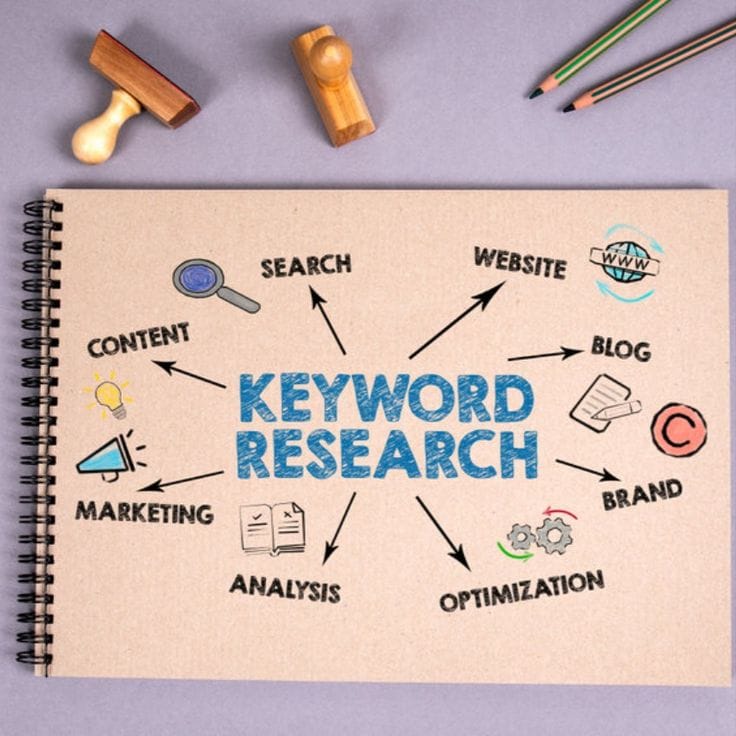
Keyword strategy starts with your audience.
Choosing keywords only because they have high search volume can lead to pages that attract the wrong visitors. A stronger approach considers relevance, competition, intent and what your business can genuinely offer.
For example, a page targeting SEO Services in Chennai should explain the service, its scope and the problems it addresses. A supporting article might answer a question such as how search engine optimisation works. Both can be useful, but they serve different needs and should not simply duplicate one another.
Keyword mapping helps give each important page a clear purpose. It also helps prevent several pages from competing for the same topic without a meaningful distinction. For guidance on creating search-friendly websites, refer to Google Search Central documentation .
- Start with customer questions and business priorities.
- Group closely related searches into relevant topics.
- Match each topic to the most useful page format.
- Review actual search data as it becomes available.
Write for people, then make the page easy to understand.
Search-friendly content should not read like a list of keywords. It should explain a topic in a natural, organised way and help readers make progress towards their goal.
A service page might explain what a service includes, who it is for, what the process involves and which questions a potential customer should consider. A guide may provide examples, instructions or comparisons. The format should fit the intent behind the search.
Originality matters, too. Rephrasing the same generic information found everywhere else does little for readers. Add useful context, practical examples and clear explanations that make the page worth reading.
Elements of useful SEO content
- A clear title that accurately describes the page.
- An introduction that explains what the reader will learn.
- Descriptive headings that organise related ideas.
- Examples and explanations that answer genuine questions.
- Natural use of relevant terms and related concepts.
- Internal links to helpful next steps and supporting pages.
- A clear call to action where it is appropriate.
- Regular reviews when information becomes outdated.
Does every SEO page need 2,000 words?
No. There is no universal word-count requirement that guarantees rankings. A page should be as detailed as the topic and visitor needs require. Longer content is worthwhile when it adds useful information, not when it repeats the same points to reach a target.
Technical SEO and user experience belong together.
Great content needs a reliable home. Technical issues and poor usability can make it harder for people to access information and for search engines to interpret the site correctly.
Crawlability and indexability
Important pages should be accessible to search engines and allowed to appear in search when appropriate. Check for accidental noindex settings, blocked resources, broken URLs and incorrect canonical tags.
Page performance
Large images, unnecessary scripts and excessive page elements can affect loading. Optimise media, remove unnecessary assets and test real page performance using Google PageSpeed Insights rather than assuming a design is fast because it looks simple.
Responsive usability
Check that text is readable, buttons are easy to tap, images fit the screen and important content remains accessible on phones and tablets.
Navigation and internal links
A clear site structure helps visitors understand where they are and find related information. Use descriptive links that connect service pages, relevant articles and contact options.
Images and accessibility
Use relevant, compressed images and descriptive alt text when an image conveys meaningful information. Decorative images should not be burdened with unnecessary keyword-filled descriptions.
Clear visitor journeys
Explain services plainly and make contact options easy to find. A visitor should not need to guess what your business does or how to take the next step.
SEO is a process of research, improvement and learning.
A structured workflow helps prioritise the issues that matter most instead of making random changes to a website.
Discover
Understand the business, audience, goals, website structure and current search visibility. Identify the most important pages and the questions the audience needs answered.
Audit and plan
Review keywords, page content, technical foundations, internal links and competing search results. Turn findings into a prioritised plan based on relevance and effort.
Optimise
Improve important pages, resolve technical problems, create useful content and strengthen the connections between related parts of the website.
Measure and refine
Review impressions, clicks, relevant queries, engagement and meaningful enquiries. Use the findings to decide what to maintain, improve or test next.
Look beyond rankings alone.
Rankings can help explain search visibility, but they are not the only measure of SEO performance. A page might attract impressions without clicks, or clicks without producing relevant business enquiries. Reviewing several measures provides a more complete picture.
Google Search Console can help you understand search impressions, clicks, click-through rate and the queries that lead people to your website. Analytics tools can add context about on-site activity, while enquiry records help you understand whether the visitors are relevant to your business.
Establish a baseline before making major changes. Compare appropriate time periods, account for seasonal differences and avoid attributing every change to one edit. SEO outcomes depend on many factors, including competition, search changes and the quality of the wider website.
Useful measures to review
| Measure | What it can tell you |
|---|---|
| Impressions | How often pages appeared in eligible search results. |
| Organic clicks | How many clicks came from search results. |
| Search queries | Which searches are associated with your pages. |
| Landing-page activity | How visitors interact with pages after arriving. |
| Qualified enquiries | Whether the website is attracting relevant potential customers. |
Make local information accurate and useful.
Local search can be important when people want a service in a particular city or neighbourhood. Queries that include a location often indicate that the searcher wants relevant information connected to that place.
Businesses with genuine local operations may benefit from accurate business details, appropriate local landing pages, consistent contact information and a well-maintained Google Business Profile when eligible.
Local SEO considerations
- Use location terms only where they accurately describe the service.
- Provide correct address and contact information where applicable.
- Create useful local pages rather than near-identical city pages.
- Ask genuine customers for honest reviews without manipulating them.
- Keep business details consistent across relevant directories.
- Follow the eligibility requirements of local listing platforms.
Including “SEO services in Chennai” in a page does not itself establish a physical office or local presence. Location-related claims should always match the business's actual operations.
Common SEO mistakes that can weaken a website.
SEO is more effective when decisions are based on usefulness, evidence and sound website practices rather than shortcuts.
Keyword stuffing
Repeating the same phrase unnaturally makes content harder to read. Use relevant terms where they make sense and prioritise a complete, clear answer to the visitor's question.
Publishing thin pages
Creating many pages with little distinct value can confuse visitors and produce unnecessary overlap. Give each page a clear purpose and enough useful information to fulfil it.
Ignoring mobile users
A page that looks polished on a desktop can still be difficult to use on a phone. Test navigation, text, spacing, forms and buttons on smaller screens.
Buying manipulative links
Attempts to manipulate ranking systems with spammy links can create risk. Focus on relevant resources, legitimate mentions and content that deserves to be referenced.
Expecting instant results
SEO often takes sustained work, and timing varies by website, competition and the changes made. Avoid guarantees of rankings, traffic or enquiries.
Making changes without measuring
Without a baseline, it is difficult to understand what improved or declined. Record important changes and review performance before deciding what to do next.
SEO works alongside your other digital channels.
Search optimisation is one part of a broader online presence. Depending on your business goals, it can work alongside other activities to create a more consistent customer journey.
Social Media Marketing
Social platforms can distribute useful content, introduce people to your brand and encourage them to explore relevant information on your website.
Paid Advertising
Paid campaigns can support time-sensitive promotions and targeted reach. SEO and paid search serve different purposes and may complement each other when planned appropriately.
Website Optimisation
A clear, usable website helps visitors navigate pages, understand offers and take the next step. Technical and experience improvements can support the wider SEO effort.
Frequently asked questions about SEO.
Understanding the basics makes it easier to set realistic expectations and choose appropriate next steps for your website.
Discuss your requirements ↗What are SEO services?
SEO Services in Chennai help improve a website's discoverability and usefulness in organic search. Depending on the website, services may include keyword research, on-page optimisation, technical audits, content planning, local SEO, internal linking and performance reporting.
How long does SEO take to work?
There is no universal timeline. Outcomes depend on the site's current condition, competition, the work required and how consistently improvements are implemented. Some technical changes may be processed sooner than broader content and authority-building efforts. Results cannot be guaranteed.
Can SEO guarantee the first position on Google?
No. Search results are influenced by many factors and can change over time. A responsible SEO approach focuses on improving relevance, technical accessibility, content quality and user experience rather than promising a particular ranking.
Is SEO suitable for small businesses?
It can be. Small businesses can focus on relevant topics, clear service pages, accurate business information and practical technical improvements. The best plan depends on the business's audience, competition, resources and objectives.
What is the difference between SEO and paid advertising?
SEO focuses on organic visibility in search results, while paid advertising uses advertising budgets to display sponsored placements. Paid campaigns may bring traffic while active; organic SEO aims to improve a site's visibility over time. The two approaches have different costs, timelines and purposes.
What is on-page SEO?
On-page SEO improves elements on individual pages, including titles, headings, content, internal links and relevant image descriptions. Its purpose is to help people and search engines understand what each page covers.
What is technical SEO?
Technical SEO focuses on the website foundations that help search engines crawl, interpret and index pages. It can include crawl access, indexing settings, sitemaps, redirects, canonical URLs, mobile usability and performance.
Do I need to publish blog posts for SEO?
Not every business needs a frequent blog. Service pages and other core pages may be more important initially. Articles can help when they answer relevant questions, support the customer journey or provide information that your existing pages do not cover.
What SEO tools can help monitor a website?
Google Search Console can help review search performance and indexing information. Analytics tools can help assess website activity. A crawler, page-speed testing tool and keyword research tool may also be useful depending on the task and budget. Tools support analysis but do not replace good judgement.
How often should SEO be reviewed?
Review performance regularly enough to spot important changes, while allowing sufficient time to evaluate work. The right schedule depends on site size, publishing activity and business priorities. Technical issues should be investigated promptly when discovered.
Does adding a keyword to every heading help?
No. Headings should describe the content that follows and help readers scan the page. Use relevant terminology naturally, but avoid repeating a target phrase in every heading when it makes the page awkward or repetitive.
Can I do basic SEO myself?
Yes. You can start by writing clear page titles, organising headings, improving useful content, adding relevant internal links, compressing images and reviewing Search Console data. More complex technical problems may require specialist help.
Help the right people find your business.
Explore how our SEO Services in Chennai can help you understand your audience, review your current website and identify improvements that support your long-term search visibility and business goals.