Digital Marketing Services in Chennai for Growing Brands
Digital Marketing Services help businesses build a stronger online presence, connect with relevant audiences and create meaningful opportunities for growth. At Brand Orbit, our digital marketing services bring together SEO, social media marketing, paid advertising and website optimisation to support your business goals through a connected digital marketing strategy.
Thoughtful strategy. Useful content. Better digital experiences.
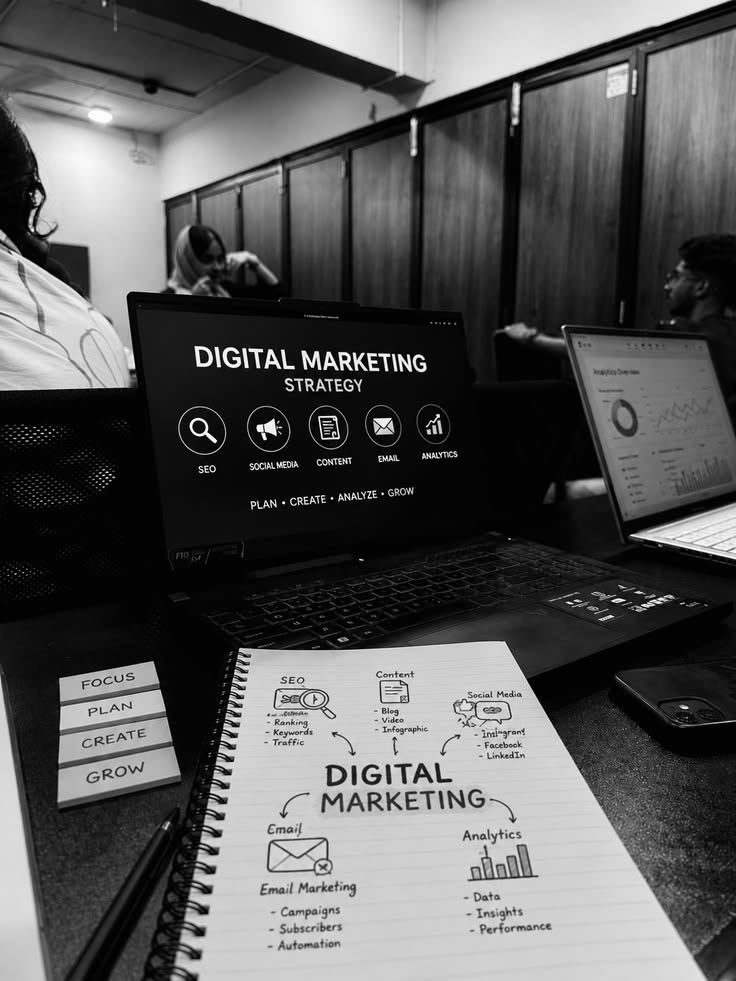
Digital Marketing Services That Work as One.
A business can have a website, active social media profiles and advertising campaigns yet still struggle to turn attention into meaningful enquiries. Effective Digital Marketing Services help address this challenge by connecting the different parts of the customer journey. Often, the issue is not a lack of activity, but a lack of coordination between the channels a business uses.
Brand Orbit brings its digital marketing services together so your messaging, visibility, campaigns and website experience can support the same objectives. Our Digital Marketing Services are planned around your business, your audience and your current priorities. Whether you are building awareness, attracting relevant visitors or improving enquiries, the approach starts with understanding what your business needs to achieve.
- Clear priorities based on your business goals
- Consistent messaging across digital touchpoints
- Practical improvements informed by performance data
- A website experience designed around your visitors
Table of Contents
- Digital Marketing Services That Work as One
- Good Marketing Begins with the Right Questions
- Four Essential Services. One Bigger Picture.
- From First Discovery to the Next Step
- Clear Steps. Purposeful Execution.
- Which Service Fits Your Current Priority?
- Choose Your Marketing Priorities with Purpose
- Good Digital Marketing Is an Ongoing Process
- Marketing Works Better When Everyone Understands the Goal
- Frequently Asked Questions
Good marketing begins with the right questions.
Before choosing a channel or launching a campaign, understand what is preventing your business from reaching the right people.
People cannot find you
Your ideal customers may be searching for what you offer, but your business is not appearing prominently enough in relevant searches.
Content is not connecting
Posting regularly is only one part of social media marketing. Content also needs to feel relevant, recognisable and useful to your audience.
Visitors are not taking action
Unclear messaging, slow pages or a confusing next step can make it harder for interested visitors to contact your business.
Four essential services. One bigger picture.
Explore our Digital Marketing Services to understand what each service does, when it may be useful and how it can support your wider digital strategy. From improving search visibility to building audience relationships, each service has a role in helping businesses create a more connected online presence.
Search Engine Optimisation (SEO)
Help the right audience discover your business through relevant search results. SEO focuses on making your website easier for search engines to understand and more useful for the people who visit it. Learn more about Google's recommendations in its SEO Starter Guide .
- Keyword research
- On-page optimisation
- Technical SEO basics
- Content planning

Social Media Marketing
Create a consistent and recognisable presence on the platforms your audience uses. A considered social strategy brings together content, community interaction and performance review.
- Content strategy
- Creative post planning
- Audience engagement
- Performance tracking
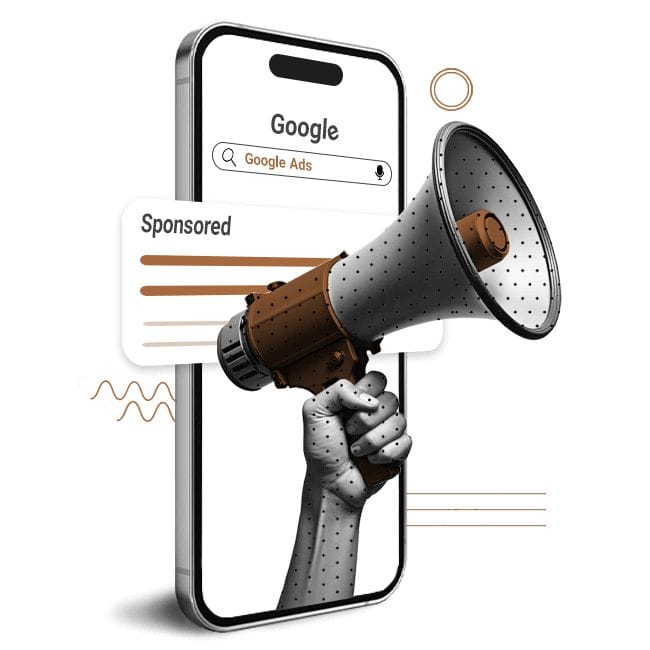
Paid Advertising
Put your offer in front of relevant audiences through paid campaigns. Clear targeting, useful landing pages and ongoing measurement help you evaluate campaign performance.
- Campaign planning
- Audience targeting
- Ad copy and creative
- Performance analysis

Website Optimisation
Create a clearer, more useful website experience. Improvements can focus on mobile usability, page speed, navigation, content clarity and the steps visitors take to contact you.
- Mobile usability
- Page-speed improvements
- Landing-page structure
- Conversion-focused content

From first discovery to the next step.
Customers rarely move from discovering a brand to making a decision in one step. Each digital touchpoint can help answer a question, build confidence and make the next action easier.
Get discovered
SEO helps people find relevant pages when they search for solutions.
Build familiarity
Social media gives people more opportunities to understand your brand.
Reach relevant audiences
Paid campaigns can introduce selected offers to targeted audiences.
Make action easier
A well-structured website helps visitors understand what to do next.
Clear steps. Purposeful execution.
Effective digital marketing needs a reason behind every activity. A structured process helps keep work focused and makes it easier to review what is working.
Understand
Explore your business, audience, current digital presence, competitors and objectives.
Plan
Prioritise relevant channels, define messaging and create a practical action plan.
Implement
Put the strategy into action through content, optimisation, campaigns or website improvements.
Evaluate
Review meaningful metrics, identify opportunities and adjust activities based on what the data shows.
Which service fits your current priority?
Your starting point depends on your goals, resources and current challenges. This guide can help you identify where to focus first.
| Service | Useful when you want to | Areas of focus | Learn more |
|---|---|---|---|
| SEO | Improve organic search visibility | Keywords, content, technical foundations | SEO |
| Social Media | Build awareness and engage an audience | Content, consistency, community | Social media |
| Paid Advertising | Promote offers to selected audiences | Targeting, creative, campaign data | Advertising |
| Website Optimisation | Improve usability and visitor journeys | Speed, navigation, landing pages | Website |
Choose your marketing priorities with purpose.
Not every business needs to invest in every channel at the same time. The most useful Digital Marketing Services are the ones that address your current challenges and support the direction you want your business to take.
A new business may first need to explain what it offers and make its brand easier to recognise. An established business may already have regular visitors but need to improve the number of enquiries it receives. Another business may have a useful website but struggle to attract relevant traffic. These situations call for different priorities.
Start by looking at the information you already have. Consider how customers currently discover your business, which pages they visit, what questions they ask and where they stop engaging. Feedback from customers and staff can also reveal gaps that website statistics alone may not explain.
When visibility is the main concern
If potential customers are searching for products or services like yours but are not finding your website, SEO may deserve attention. Researching relevant search terms, improving page structure and publishing useful information can help search engines understand what your business offers. Local businesses can also make sure their contact details, service areas and business information are presented consistently across relevant online platforms.
When brand awareness needs attention
If people know your industry but are unfamiliar with your business, social media marketing can help introduce your identity, values, services and expertise. A consistent content plan gives audiences different ways to understand what makes your business relevant. The objective should not be to publish simply to stay active. Each post should have a reason, whether it is to inform, demonstrate, answer a common question or encourage a meaningful conversation.
When you need to promote a specific offer
Paid advertising may be useful when you have a clear offer, a defined audience and a suitable destination for people who respond to an ad. Before spending, consider the campaign objective, the audience you want to reach, the amount you can reasonably invest and the action you want visitors to take. A campaign should be reviewed regularly rather than judged by clicks alone.
When website visitors are not converting
If people are reaching your website but are not contacting you, review the experience from their point of view. Is the service information easy to understand? Can visitors find your contact details without searching through several pages? Does the website work comfortably on a mobile phone? Website optimisation can address these practical barriers and make the next step clearer.
These priorities are not mutually exclusive. A business can begin with one important improvement and gradually connect other activities as its needs develop. The aim is to make deliberate decisions instead of spreading time and resources across channels without a clear plan.
Good digital marketing is an ongoing process.
Publishing a page, posting on social media or launching an advert is only the beginning. A useful strategy also considers how each activity will be reviewed and improved.
A practical digital marketing plan connects business objectives with specific activities. For example, a business that wants more relevant enquiries may need to improve service pages, make its contact process clearer and attract visitors who are actively looking for its services. A business focused on awareness may prioritise useful content and consistent communication across the platforms its audience uses.
This is why Digital Marketing Services should be planned around more than a list of tasks. The work should have a clear purpose, an intended audience and a way to assess whether it is contributing to the wider objective.
Set objectives before selecting metrics
Different marketing activities produce different kinds of information. SEO reporting may include search impressions, clicks, search queries and the pages receiving organic traffic. Social media reporting may include reach, saves, shares, comments and profile visits. Advertising reports can show impressions, clicks, cost per click, conversions and campaign spending. Website reviews can examine page performance, mobile usability and the actions visitors take.
These numbers become more useful when they are connected to a clear question. Are more relevant people discovering the business? Are visitors spending time with important service information? Are enquiries coming from the audiences the business wants to reach? Is the website helping visitors complete the intended action? Looking at the purpose behind each metric makes reporting more meaningful than focusing on a single impressive number.
Use observations to guide improvements
Measurement is not only about recording results. It can help identify what needs attention next. If a page receives search traffic but visitors do not explore the service information, its content or structure may need review. If a social post receives attention but does not lead to useful conversations, the topic or call to action may need reconsideration. If an advert attracts clicks but few enquiries, the landing page, offer and audience alignment may deserve a closer look.
Changes should be based on evidence wherever possible. Review one area at a time, allow enough time to understand the effect and avoid making conclusions from a very small amount of data. Not every adjustment will produce an immediate improvement, but a consistent review process can help businesses make more informed decisions.
A balanced approach also recognises that results depend on factors beyond marketing activity. Competition, seasonal demand, pricing, customer experience, product quality and available resources can all influence outcomes. A responsible strategy takes these factors into account and avoids promising guaranteed rankings, leads or sales.
Marketing works better when everyone understands the goal.
Clear communication helps businesses and their marketing partners work towards shared priorities. It also makes it easier to decide what should happen first and how progress will be reviewed.
A useful starting conversation should cover the business itself: what it offers, who it serves, what makes its offering relevant and what it wants to achieve. It should also consider the current digital presence, existing marketing activities, available resources and any challenges that need to be addressed.
Businesses can make this conversation more productive by sharing practical information. Existing website links, social media profiles, customer questions, previous campaign observations and examples of competitors can help provide context. It is not necessary to have every answer prepared. Understanding the current situation is part of building a suitable plan.
Keep communication clear and consistent
Brand messaging should remain recognisable across the website, advertisements and social media platforms. This does not mean every message needs identical wording. Each channel has a different role, but the information should still communicate the same business identity and value. Consistent language, accurate service details and clear contact information help customers understand what the business offers.
Give the strategy room to develop
A digital plan may need to change as a business learns more about its customers and its performance. New products, changing priorities, seasonal opportunities or audience feedback can all influence the next set of activities. Regular reviews help keep the work relevant without changing direction simply because a new platform or trend becomes popular.
At Brand Orbit, the focus is on understanding the business before deciding which Digital Marketing Services may be appropriate. The intention is to connect useful activities with clear objectives, communicate recommendations in a practical way and consider how each part of the digital experience supports the customer journey.
Whether you need to improve search visibility, create a more consistent social presence, promote a specific offer or make your website easier to use, the starting point is the same: understand the challenge, identify the opportunity and decide on a sensible next step.
Things worth knowing before you begin.
Have a question about Digital Marketing Services? Start here to understand how SEO, social media marketing, paid advertising and website optimisation can support your business goals and help you identify the next step.
Ask us a question ↗What does a digital marketing agency do?
A digital marketing agency helps businesses improve their online visibility, communicate with relevant audiences and work towards business objectives using digital channels. Services may include SEO, social media marketing, paid advertising, content strategy and website optimisation.
Which digital marketing service should I start with?
Start with the challenge that matters most to your business. If people struggle to find your website through search, SEO may be a useful starting point. If brand awareness is a priority, social media may help. Paid advertising can support specific campaign goals, while website optimisation can address usability and conversion barriers. The right choice depends on your situation.
Can these services work together?
Yes. SEO can help attract search visitors, social media can strengthen familiarity, paid advertising can support targeted promotions, and website optimisation can improve the visitor experience. The services can complement one another when they are planned around consistent goals.
How long does digital marketing take to show results?
Timelines depend on the channel, competition, budget, website condition and campaign objectives. Paid advertising can generate traffic soon after a campaign launches, while SEO typically requires sustained work over time. No responsible strategy should guarantee a particular ranking, lead volume or result.
Is digital marketing suitable for small businesses?
Digital marketing can be useful for small businesses when the strategy matches their audience, budget and goals. Businesses can begin by prioritising a few relevant activities, measuring progress and expanding their efforts as they learn what works.
How do I know whether my marketing is working?
Measure outcomes that relate to your objectives. Depending on the activity, useful metrics may include relevant website visits, search visibility, engagement, qualified enquiries, conversion rates and advertising cost per result. A high number of views alone does not necessarily mean a campaign is successful.
Do I need a website if I use social media?
Social media can help people discover and interact with your brand, but a website gives you more control over how your information, services and contact options are presented. The best approach depends on your business model and audience.
How can I get started with Brand Orbit?
Begin by identifying your main business objective and the challenge you want to solve. You can then get in touch to discuss which digital marketing activities may be relevant to your needs and priorities.
Ready to give your digital presence more direction?
Start with a clear goal, identify the right opportunities and build a digital marketing approach around what your business needs.